

Arabic-language cinema is not one thing. It is the studio tradition of Cairo, the war and aftermath of Lebanon, the desert stories of Jordan, the first steps of a young industry in Saudi Arabia, and a documentary tradition made under pressure. That range is exactly why it is worth exploring, and why a single list can only be a doorway.
This is one doorway. Seven films, from different places and different decades, chosen to be watchable first and important second.
The classic
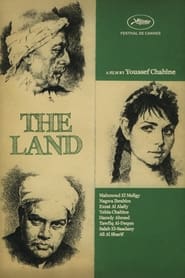 1970 · 8.3 TMDBThe LandSet in 1933, the mayor informs the peasants that the share of irrigation of their land will be split equally between them and feudal lord Mahmoud Bey. The peasants send Mohamed Effendi to submit a petition to the government. Mahmoud Bey then proposes a project that would require taking part of the peasants' lands.
The Land (1970), by Youssef Chahine, is a landmark of Egyptian cinema. It follows villagers fighting over water and land, and it treats the countryside with the seriousness other films reserve for kings. It is the oldest film on this list and the one that feels most like a monument.
Beirut, two ways
 2007 · 6.9 TMDBCaramelIn a beauty salon in Beirut the lives of five women cross paths. The beauty salon is a colorful and sensual microcosm where they share and entrust their hopes, fears and expectations.
Caramel (2007) was Nadine Labaki's first feature: a warm, funny film about five women who meet in a Beirut beauty salon. It is a good place to begin, because it is easy to like and hard to forget.
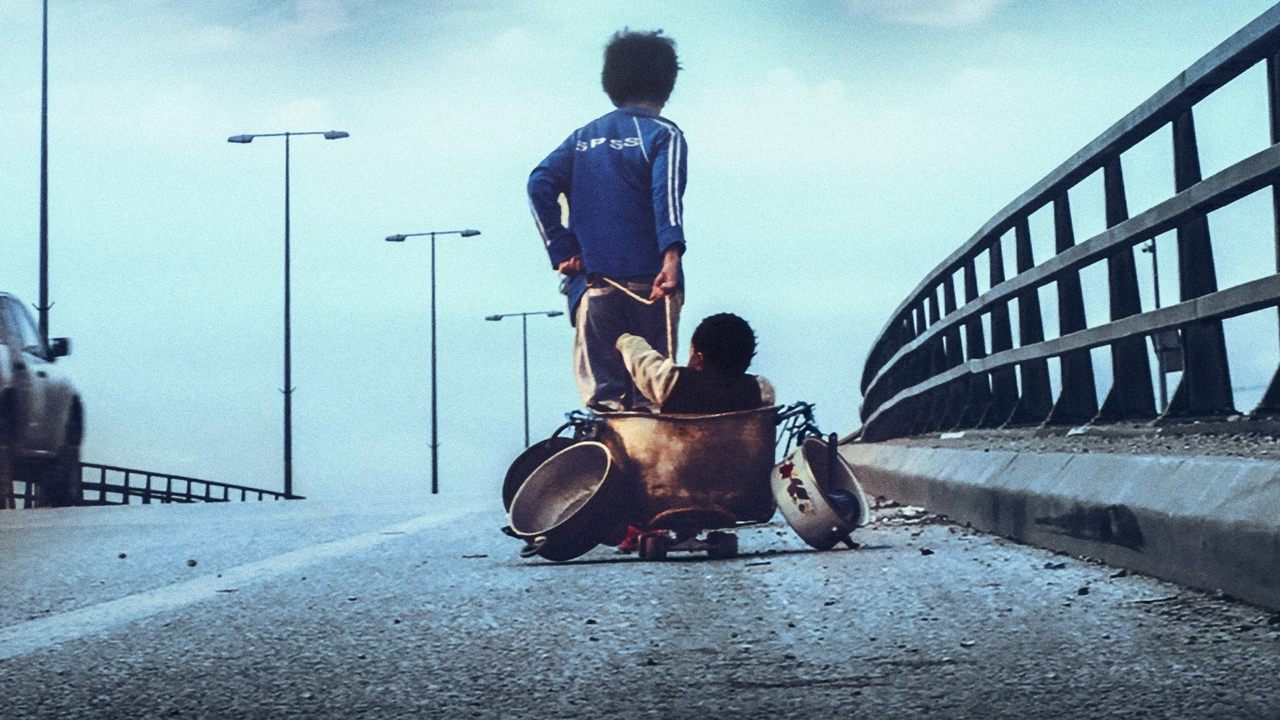
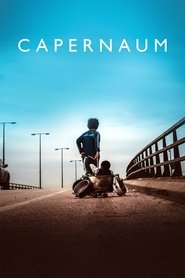 2018 · 8.1 TMDBCapernaumAfter running away from his negligent parents, committing a violent crime and being sentenced to five years in jail, a hardened, streetwise 12-year-old Lebanese boy sues his parents in protest of the life they have given him.
Capernaum (2018) is the same director eleven years later, and a very different mood. It follows a boy who takes his parents to court for having brought him into the world. It won the Jury Prize at Cannes and was nominated for an Oscar. It is heavy, and it is worth the weight.
The desert
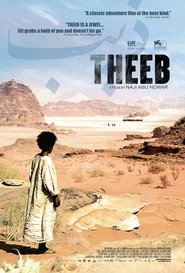 2014 · 6.7 TMDBTheebSet in the Arabian Desert of 1916, the film follows Theeb, a young Bedouin boy, and his brother Hussein as they leave the safety of their tribe to venture on a treacherous journey at the dawn of the Great Revolt. If Theeb is to survive he must quickly learn about adulthood, trust and betrayal.
Theeb (2014), by the Jordanian director Naji Abu Nowar, is a coming-of-age story set in 1916, in the middle of the First World War. A young Bedouin boy follows his brother into a journey that quickly stops being safe. It was nominated for the Oscar for Best Foreign Language Film.
A window in Riyadh
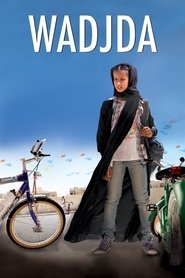 2012 · 7.2 TMDBWadjdaAn enterprising Saudi girl signs on for her school's Quran recitation competition as a way to raise the remaining funds she needs in order to buy the green bicycle that has captured her interest.
Wadjda (2012), by Haifaa al-Mansour, is widely described as the first feature shot entirely in Saudi Arabia. A girl wants a bicycle; the rest of the film is everything that stands in the way. It is gentle and sharp at once.
The epic
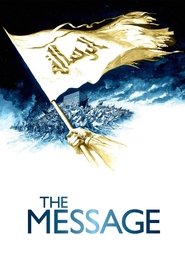 1976 · 7.1 TMDBThe MessageIn sixth-century Mecca, Prophet Muhammad receives his first revelation from God as a messenger. Three years later, he's not alone in his quest and publicly declares his prophecy. Muhammad is fought by Abu Sufian and his wife Hind, rulers of Mecca. Muhammad's followers are hunted and tortured but he continues his calling.
The Message (1976), by Moustapha Akkad, is a large-scale historical drama about the early days of Islam. Whatever you think of epics, it is an important piece of film history and a rare thing: a big budget film made for a worldwide audience about the Arab world.
The recent one
 2024 · 8.0 TMDBNo Other LandThis film made by a Palestinian-Israeli collective shows the destruction of the occupied West Bank's Masafer Yatta by Israeli soldiers and the alliance which develops between the Palestinian activist Basel and Israeli journalist Yuval.
No Other Land (2024) is a documentary made by a Palestinian and Israeli collective, following a community in the West Bank. It won the Oscar for Best Documentary Feature in 2025, and it is a reminder that the most urgent Arabic-language cinema is being made right now.
This is a beginning, not a canon. For the full shelf, browse the best Arab films of all time, and for a very different corner of the world, try Iranian cinema or Turkish cinema.
Seen one of these? Log it on your diary, rate it, and tell us in a review what you would add to the list.